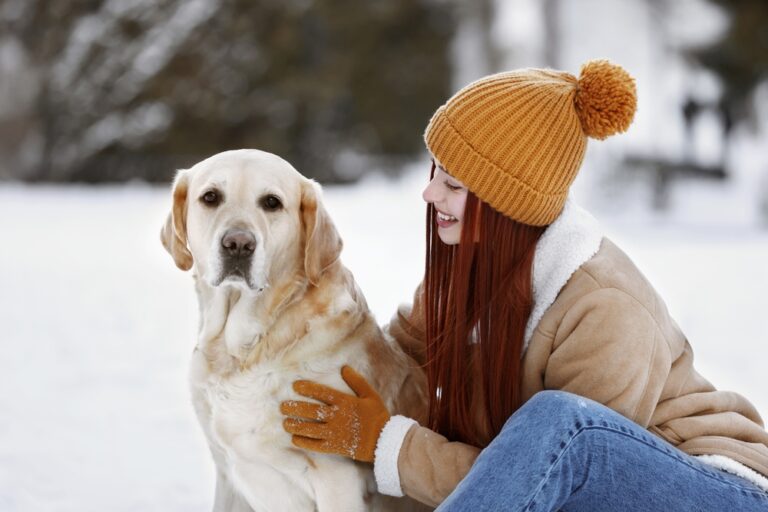
How Early Experiences Shape a Confident, Family-Friendly Labrador
Labrador Retrievers are widely known for their friendly, outgoing nature—but temperament does not develop by chance. While genetics play a role, a Labrador’s behavior, confidence, and emotional stability are largely shaped by early socialization and consistent guidance.
This guide explains how Labrador Retriever temperament develops, why socialization is essential, and how owners can raise a well-balanced, adaptable companion from puppyhood through adulthood.
For readers starting with training foundations, begin here:
👉 Labrador Retriever Training Fundamentals
Understanding Labrador Retriever Temperament
Labrador Retrievers are naturally people-oriented dogs. Well-bred Labradors typically display:
- Friendly, approachable behavior
- Strong desire to please
- High sociability with people and dogs
- Emotional sensitivity to environment and tone
- Balanced confidence when properly raised
However, without appropriate social exposure, even Labradors can develop fearfulness, overexcitement, or anxiety. Temperament is shaped by experience layered on top of genetics.
For a broader overview of the breed’s personality traits, see:
👉 Labrador Retriever Temperament & Personality
Why Socialization Is Critical for Labradors
Socialization teaches a Labrador how to interpret the world. During puppyhood, dogs form emotional associations that influence how they respond to new people, sounds, environments, and situations later in life.
Proper socialization helps Labradors:
- Remain calm in unfamiliar settings
- Respond confidently to new people
- Adapt easily to household changes
- Reduce fear-based or reactive behaviors
- Develop emotional resilience
Socialization is not about forcing friendliness—it is about creating neutrality and confidence.
The Puppy Socialization Window (3–16 Weeks)
Labrador puppies experience a sensitive developmental window between approximately 3 and 16 weeks of age. During this period, the brain is highly receptive to learning what is “normal” and safe.
Positive exposure during this window has lifelong impact.
Key Focus Areas During Early Puppyhood
- Gentle handling by different people
- Exposure to household sounds and movement
- Walking on varied surfaces (grass, flooring, pavement)
- Calm introductions to new environments
- Short, positive interactions with vaccinated dogs
For preparation before your puppy arrives, see:
👉 Preparing Your Home for a Labrador Retriever Puppy
Socialization vs. Overstimulation
While exposure is important, too much too fast can backfire.
Healthy socialization looks like:
- Short, positive interactions
- Frequent breaks and rest
- Puppy-led curiosity
- Calm reinforcement
Signs of overstimulation include:
- Freezing or avoidance
- Excessive panting or yawning
- Ignoring engagement cues
- Escalating excitement
Socialization Beyond Other Dogs
While dog-to-dog interaction is important, Labradors must also learn how to interact appropriately with people, environments, and daily life stimuli.
Early people-focused socialization should include:
- Calm greetings with adults and children
- Exposure to different appearances (hats, uniforms, mobility aids)
- Gentle, respectful handling
- Positive reinforcement for relaxed behavior
Labradors are highly social and emotionally responsive. Early positive human interaction builds trust and prevents fear-based behaviors later in life.
For guidance on structured early learning, review:
👉 Labrador Retriever Training Fundamentals
Environmental Exposure and Confidence Building
Labrador Retrievers benefit from gradual exposure to varied environments. The goal is familiarity without stress.
Helpful exposure experiences include:
- Walking near traffic at a safe distance
- Hearing household appliances
- Entering new buildings calmly
- Riding in vehicles
- Experiencing weather changes
These experiences should always be paired with reassurance, calm leadership, and positive reinforcement.
For foundational preparation before exposure begins, see:
👉 Preparing Your Home for a Labrador Retriever Puppy
How Socialization Shapes Adult Labrador Behavior
The experiences Labradors have early in life directly influence adult temperament.
Well-socialized Labradors are more likely to grow into adults who are:
- Calm and adaptable
- Confident in new situations
- Friendly without being overwhelming
- Emotionally stable under stress
Poor or inconsistent socialization increases the risk of anxiety, fear-based reactions, and behavioral challenges—even in a breed known for friendliness.
This is why responsible breeders and owners prioritize early handling and structured exposure.
To understand how breeding and early development intersect, read:
👉 Understanding Responsible Dog Breeding ( The Complete Dog Guide )
Continuing Socialization Into Adolescence and Adulthood
Socialization does not end after puppyhood. Labradors benefit from continued exposure throughout adolescence and adulthood.
Healthy ongoing habits include:
- Regular walks in varied locations
- Controlled introductions to new people and dogs
- Reinforcement of calm behavior in public
- Ongoing mental and physical engagement
Consistency ensures early lessons remain strong and transferable across environments.
For long-term care considerations, review:
👉 Labrador Retriever Health & Care Guide
Common Socialization Mistakes to Avoid
Even well-intentioned owners can unintentionally undermine social development.
Avoid:
- Delaying all exposure until after vaccines without alternatives
- Forcing interactions when the puppy shows discomfort
- Overwhelming the puppy with too many new experiences at once
- Ignoring subtle stress signals
- Inconsistent expectations across family members
Socialization should always be intentional, progressive, and respectful of the puppy’s emotional thresholds.
Final Thoughts
Labrador Retriever socialization is not about creating an overly friendly dog—it is about raising a balanced, confident companion. Early play, structured exposure, and calm guidance lay the foundation for lifelong emotional stability.
When socialization is done correctly, Labradors grow into dogs that reflect the very best of the breed: adaptable, people-oriented, and emotionally sound.
Education, consistency, and patience make the difference.
📘 Continue Learning About Labrador Retriever Development
Explore how early decisions shape lifelong behavior and wellbeing:
→ What Is a Labrador Retriever?
→ Labrador Retriever Temperament & Personality
→ Preparing Your Home for a Labrador Retriever Puppy
→ Labrador Retriever Training Fundamentals
→ Labrador Retriever Health & Care Guide
📘 Continue Learning About Responsible Dog Ownership
Understanding ethical breeding practices helps owners make informed, long-term decisions. Learn what responsible breeding really means across all dog breeds:
→ Understanding Responsible Dog Breeding (Complete Dog Guide)